
Rebirth, reincarnation, and karma are concepts found in various religions and belief systems, each with its own interpretations and examples:
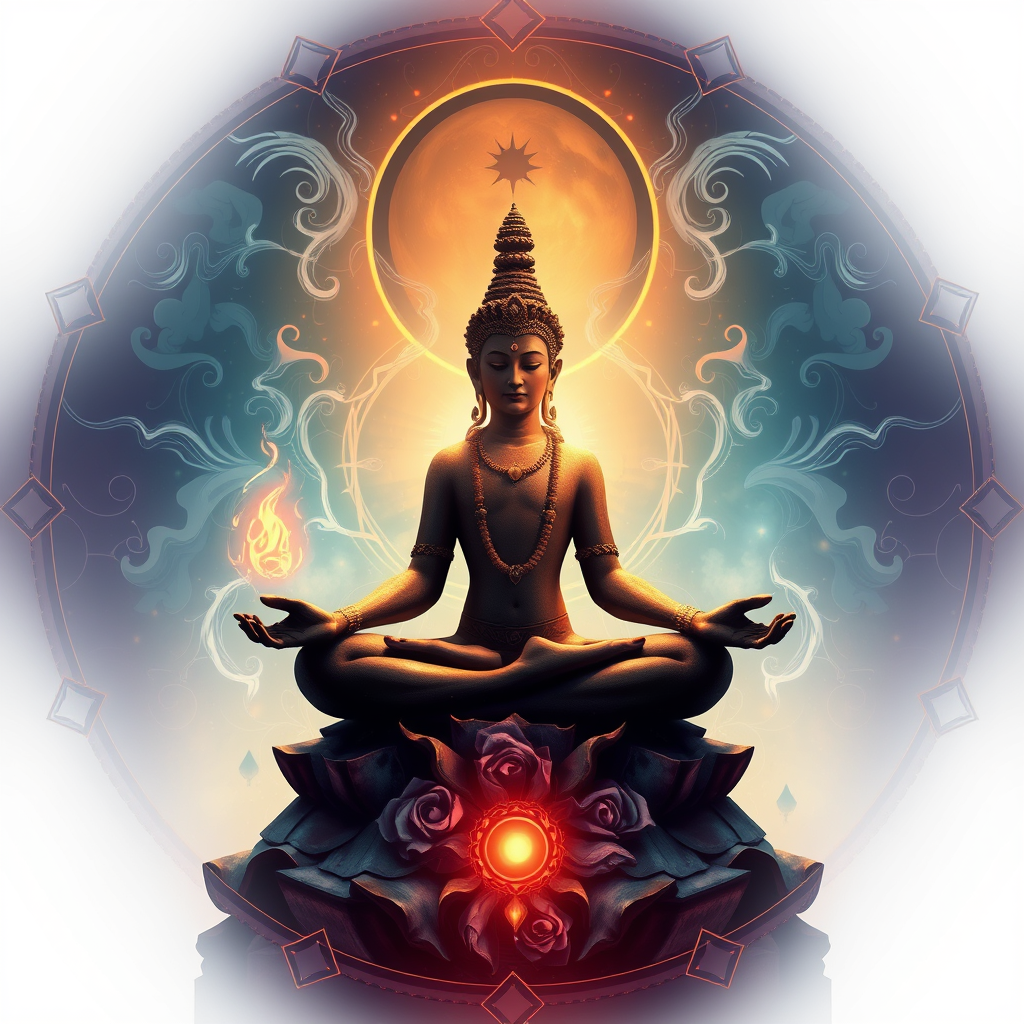
1. **Hinduism**: Central to Hinduism is the belief in reincarnation, or samsara, the cycle of birth, death, and rebirth. Karma, the law of cause and effect, dictates that one’s actions in a past life influence the circumstances of their current and future lives. The Bhagavad Gita, a sacred text in Hinduism, discusses these concepts extensively.
2. **Buddhism**: Similar to Hinduism, Buddhism teaches the concept of samsara and karma. However, Buddhism seeks to break the cycle of rebirth by achieving enlightenment, or Nirvana. The Dalai Lama, the spiritual leader of Tibetan Buddhism, is believed to be the reincarnation of the previous Dalai Lama, based on a process of recognition and reincarnation known as the tulku system.
3. **Sikhism**: While Sikhism does not believe in reincarnation in the same way as Hinduism and Buddhism, it does emphasize the concept of karma. Sikhs believe in the cycle of life, death, and rebirth, but achieving liberation from this cycle is through devotion to God rather than the accumulation of good karma.
4. **Jainism**: Jainism also believes in reincarnation and karma. Jains seek to attain liberation, or moksha, by freeing themselves from the cycle of rebirth through a life of non-violence, truthfulness, and self-control.
5. **New Age and Spirituality**: In current spiritual movements, concepts of rebirth, reincarnation, and karma are often explored. Some believe that individuals can be reborn into modern lives to learn and grow, with karma influencing the circumstances of each modern life based on past actions.
These examples illustrate the diverse ways in which rebirth, reincarnation, and karma are understood and practiced in different belief systems.