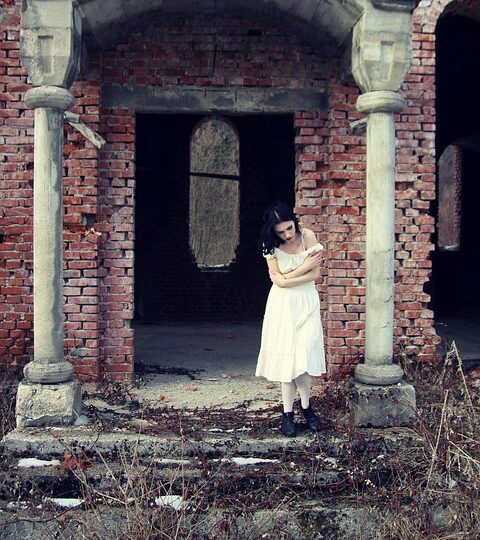

In Jewish mysticism, the vampiric Aluka of the old text is still a subject of debate and fear. But where does the demonic spirit actually come from?
Among the many supernatural characters that fill the world's myths, alukah occupies a unique place. It is rooted in the old Hebrew language and scriptures, but over the centuries in Jewish folklore and later mysticism, the name has become associated with a vampiric or bloodthirsty creature rather than a plain animal or symbolic image.
The word aluka itself appears only once in the Bible, in Proverbs 30:15. In the original Hebrew context, Alukah, or עֲלוּקָה, literally refers to a type of “leech” – a parasitic creature that clings to the throats of animals and feeds on them. In some translations the same term is translated as “leech” or “bloodsucker”.
Vampire motifs in the Alukah tradition
In the context of the book of Proverbs, the leech's insatiable appetite can be seen as a metaphor for human greed and desire, and its “two daughters”, “Give” and “Give”, symbolize the endless demands of greed and desire. But there were also those who took this story more literally.
Over time, the concept of the aluka expanded beyond zoology into demonology and folk beliefs, with some linking it to Babylonian and Assyrian demons and succubus creatures.
During the Middle Ages, references to the aluka in rabbinic texts such as the Sefer Hasidim show the creature described not as an insect but as a living being with vampiric characteristics. In this tradition, the alukah was depicted as a human-like creature that could shapeshift into a wolf and feed on blood at night. He could even fly by unfurling his long hair, a detail that harks back to later European vampire lore in which bats and other creatures are associated with the undead.
In Sefer Hasidim, the aluka is portrayed as more than just a mere monster. He is capable of quasi-human cunning, able to shapeshift and rely on the nourishment he draws from his blood to continue his existence. If it cannot feed long enough, the creature will eventually die. This belief reflects a common theme in vampire folklore around the world: that an immortal or blood-drinking creature must feed in order to survive in a form of unlife.
According to a later interpretive tradition, if an aluka was killed, it could be prevented from rising again by burying its carcass with soil placed firmly in its mouth. This belief serves a similar function to the European practice of staking or dismembering alleged vampires before burial.
Associations with Lilith and the curses of the womb
Folklore and mysticism also link the aluka to other old supernatural female figures, most notably Lilith. In rabbinic legends and kabbalistic interpretations, Lilith is sometimes described as a demonic figure associated with infant mortality, night terror, and seduction. In some strands of tradition, alukah is considered another name of Lilith or a descendant or aspect of her. This connection intensifies associations with vampires, especially in stories where the creature's presence is linked to blood harm, childbirth, and nightly dangers.
The well-known riddle from the Book of Proverbs that mentions the aluka also refers to a curse placed on the pregnant womb, reinforcing the creature's reputation for being life-threatening in its vulnerable states. These layers of interpretation contributed to the belief that the aluka was not a neutral animal, but a bloodthirsty monster with sinister spiritual implications.
-
Alukah: vampire of old text and folklore
In Jewish mysticism, the vampiric Aluka of the old text is still a subject of debate and fear. But where does the demonic spirit actually come from?
-
Haunted National Museum of Ireland: Ghosts of Collins Barracks
Now the former barracks have been turned into the National Museum of Ireland. If rumors are to be believed, the ghosts of war from Collins' former barracks still linger.
-
The ghosts of Løp Gård north of the Veil
Løp Gård is said to be an elderly farm for the luxurious and powerful in the northern part of Norway, where many of its former residents stay, even after their deaths.
-
Darkey Kelly: Green Lady of Liberty
Was she a witch or a serial killer with ties to the Hellfire Club as her legends portray her? What was the true story of Darkey Kelley who was said to have haunted Dublin as the Green Lady of Liberty.
-
The limping ghost of Fossesholm
After the tragedy that befell Birthe Svendsdatter, she threw herself from a window, which resulted in her limping and brain damage. Called Halte-Birthe because of her limp, she is said to haunt the Fossesholm estate to this day.
-
Aufhocker: Heavy vampiric ghost of Germany
Feeling like a sudden and hidden burden, the life force of cautious travelers was long subjected to the terror of the Aufhocker. The creature between the ghosts of the vampire, the werewolf and the goblin, in the legend of the empty road, has long been haunted by something bulky.
-
Davy Byrne's Pub: James Joyce's ghost still raises a glass
James Joyce's ghost is said to have appeared in the mirror of his favorite beer joint in Dublin, and is rumored to still be hanging out at Davy Byrne's pub.
-
The tragic ghost of a maid haunting a hotel in Visnes
A maid who once worked at the hotel allegedly took her own life at the elderly Visnes Hotel, deep in the Norwegian fjords. Now it is said that in the afterlife she resides in the elderly rooms where she once worked.
-
The Black Church: Where the Devil Waits in Dublin
There is a legend associated with the ominously named Black Church in Dublin, which states that if you follow a ritual, you will be able to summon the devil.
-
Norse burial dwelling Haugbúi Draugr (ᛏᚱᛅᚢᚴᛦ)
An old spirit emerging from the depths of graves in the Nordic countries, Haugbúi Draugr, can be both risky and deadly. Not just a specter, but the rotten flesh of the dead, ghosts are remembered as The Walking Dead of the North.
-
Haunted Hendrick Street: Dublin's most cursed corner
Dublin's dim Hendrick Street was once home to two houses considered some of the most haunted in the city. Occupied by at least six ghosts, some say they still wander their elderly street.
-
The Vampire of Richmond and his mausoleum in Hollywood Cemetery
In the pre-Civil War Hollywood Cemetery in Richmond, Virginia, the W. W. Pool Mausoleum is said to be the grave of the Richmond Vampire. A more recent urban legend is now associated with the collapse of the Church Hill Tunnel.
Image Source: Pixabay.com